R-36
From Spacefaring
Q6451506
The R-36 is a family of intercontinental ballistic missiles (ICBMs) and space launch vehicles (Tsyklon) designed by the Soviet Union during the Cold War. The original R-36 was deployed under the GRAU index 8K67 and was given the NATO reporting name SS-9 Scarp. It was able to carry three warheads and was the first Soviet MIRV missile. The later version, the R-36M, also known as RS20, was produced under the GRAU designations 15A14 and 15A18 and was given the NATO reporting name SS-18 Satan. This missile was viewed by certain United States analysts as giving the Soviet Union first strike advantage over the U.S., particularly because of its rapid silo-reload ability, very heavy throw weight and extremely large number of re-entry vehicles. Some versions of the R-36M were deployed with 10 warheads and up to 40 penetration aids and the missile's high throw-weight made it theoretically capable of carrying more warheads or penetration aids. Contemporary U.S. missiles, such as the Minuteman III, carried up to three warheads at most.
1974
Wikimedia, Wikidata
8K67; SS-9 Scarp; Scarp
mass 209600 kilogram, diameter 3.05 metre, length 32.2 metre,
Pivdenmash, Soviet Strategic Rocket Forces, Soviet Union,
Dong Fang Hong 2, launch vehicle, M, -O, 1974, 1970s,
-
Location: KML, Cluster Map, Maps,
-

R-36-O ⓘ
Soviet orbital missile -

R-36M ⓘ
intercontinental ballistic missile
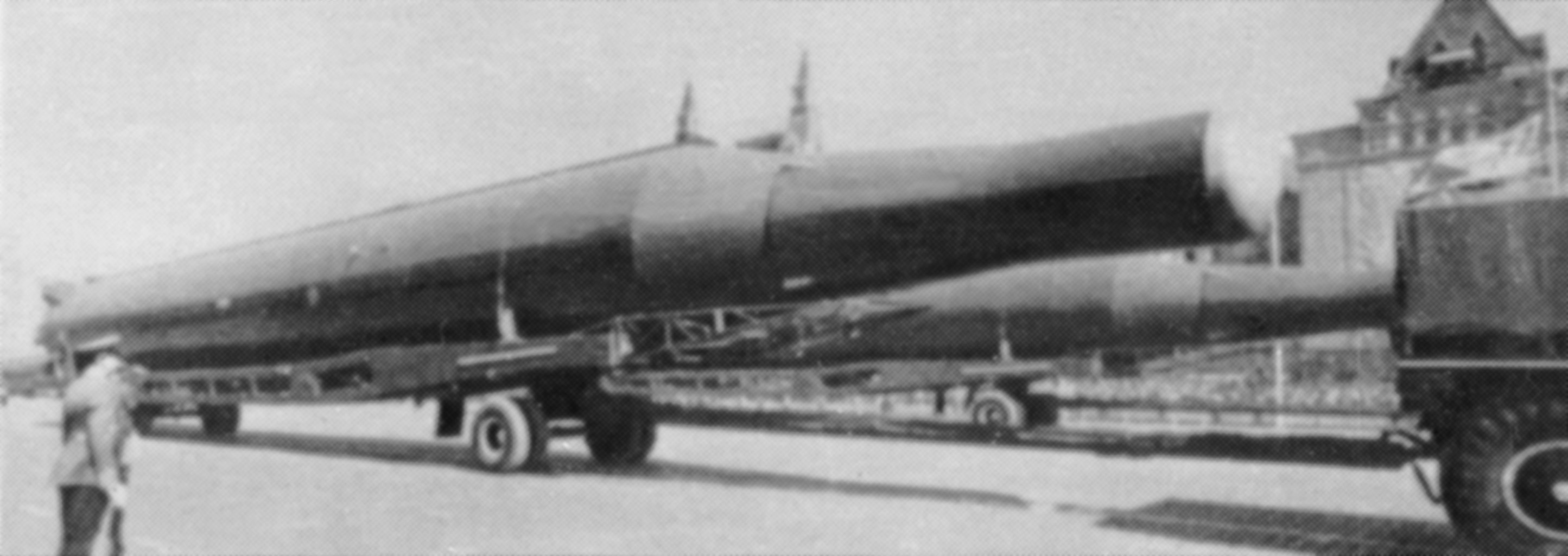 SS-9
SS-9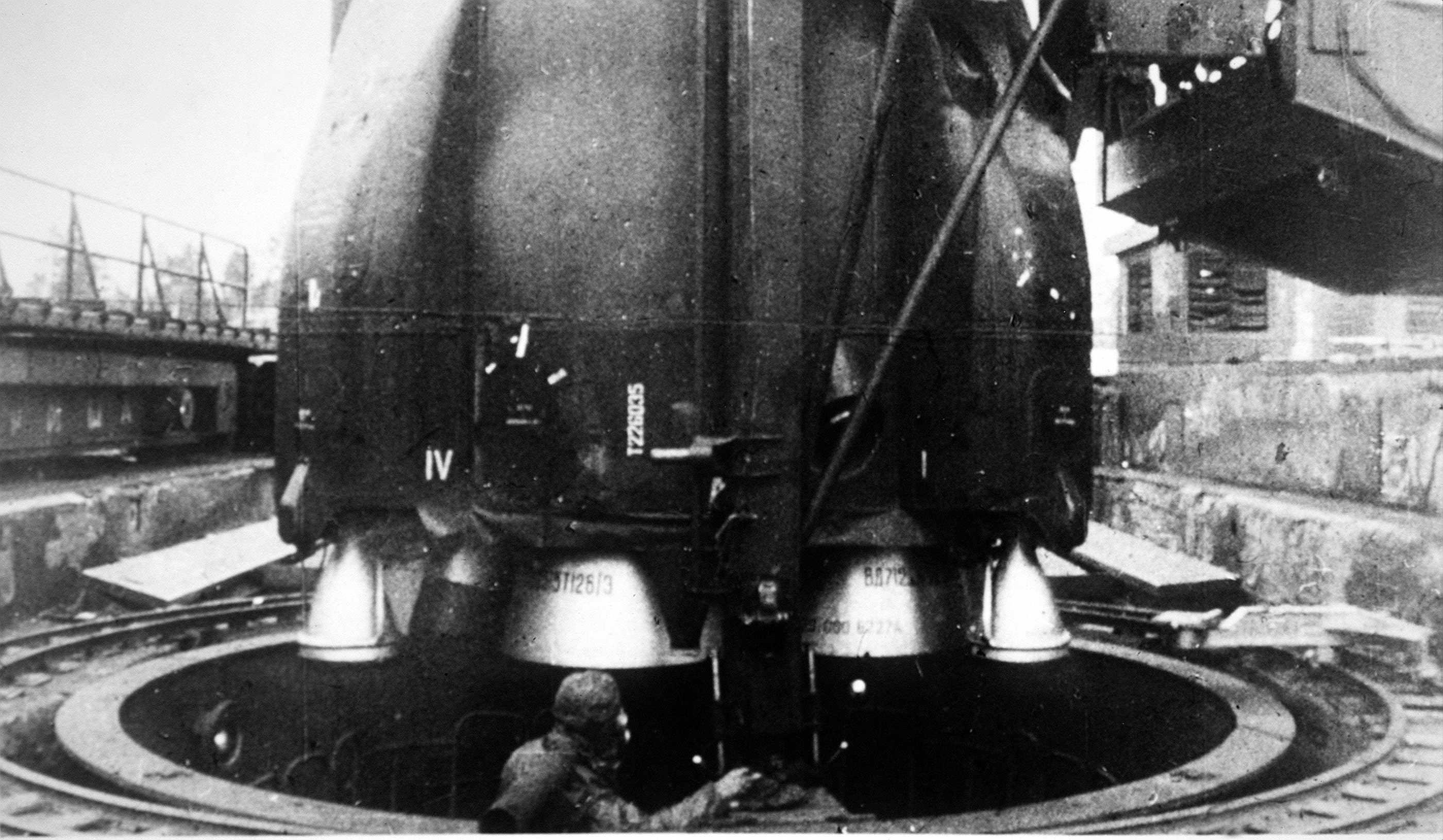 SS-9 Scarp R36
 Циклон-3 і 8К99
 Циклон-3 і 8К99 (cropped)
 Парк ракет. Дніпропетровськ
 Музей ракетной техники РВСН
| Type | Subtype | Date | Description | Notes | Source |
|---|---|---|---|---|---|
| class | rocket | 1965 | R-36-O | R-36 | Wikidata |
| class | rocket | 1975 | R-36M | R-36 | Wikidata |
| commons | image | SS-9 | Commons | ||
| commons | image | SS-9 Scarp R36 | Commons | ||
| commons | image | Циклон-3 і 8К99 | Commons | ||
| commons | image | Циклон-3 і 8К99 (cropped) | Commons | ||
| commons | image | Парк ракет. Дніпропетровськ | Commons | ||
| commons | image | Музей ракетной техники РВСН | Commons | ||


.JPG)

