H-II
From Spacefaring
Q548376
Q548376
The H-II (H2) rocket was a Japanese satellite launch system, which flew seven times between 1994 and 1999, with five successes. It was developed by NASDA in order to give Japan a capability to launch larger satellites in the 1990s. It was the first two-stage liquid-fuelled rocket Japan made using only technologies developed domestically. It was superseded by the H-IIA rocket following reliability and cost issues.
Wikimedia, Wikidata
H-2; H2
Mitsubishi Heavy Industries,
Sikh Confederacy, Republic of Haiti, medium-lift launch vehicle, B, A, expendable launch vehicle, Ekran, Dong Fang Hong 2, Tarshish, Sweden, Ashkenaz, Persia, Kingdom of Wolaita, Kingdom of Martabam-hongsawatoi, Japan, Havilah, Democratic Republic of the Congo, Chinland, Calvinist Republic of Ghent,
-
Location: KML, Cluster Map, Maps,
-

H-IIA ⓘ
Japanese expendable medium-lift launch vehicle -

H-IIB ⓘ
Japanese expendable launch system used to launch H-II Transfer Vehicles
 Tanegashima Space Center
 OREX mockup in H-II rocket fairing 02 (cropped)
 H-II F7 01
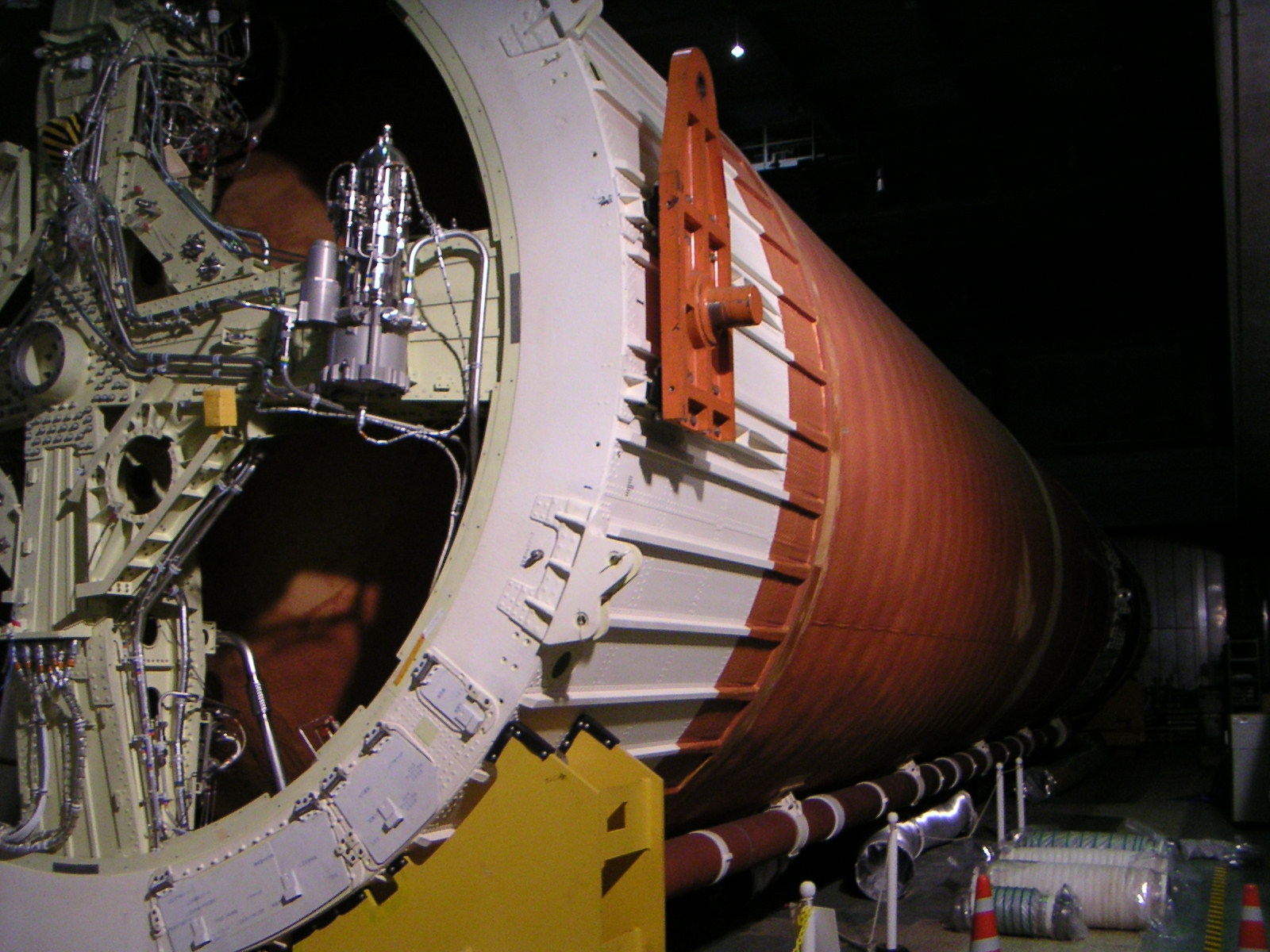 H-II F7 02
 LE-7 rocket engine
 H-II rocket kakuda
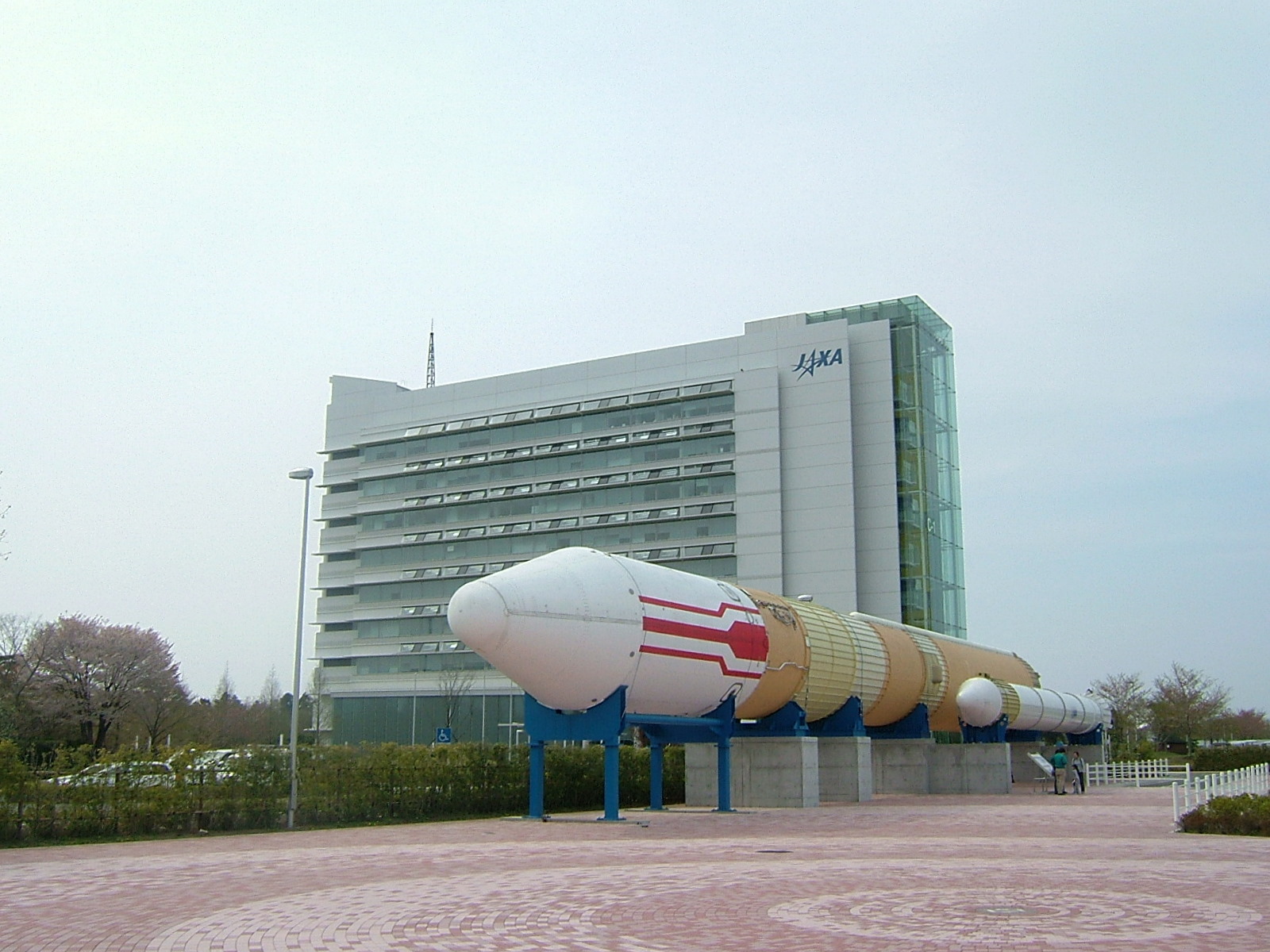 H-II rocket at the TKSC
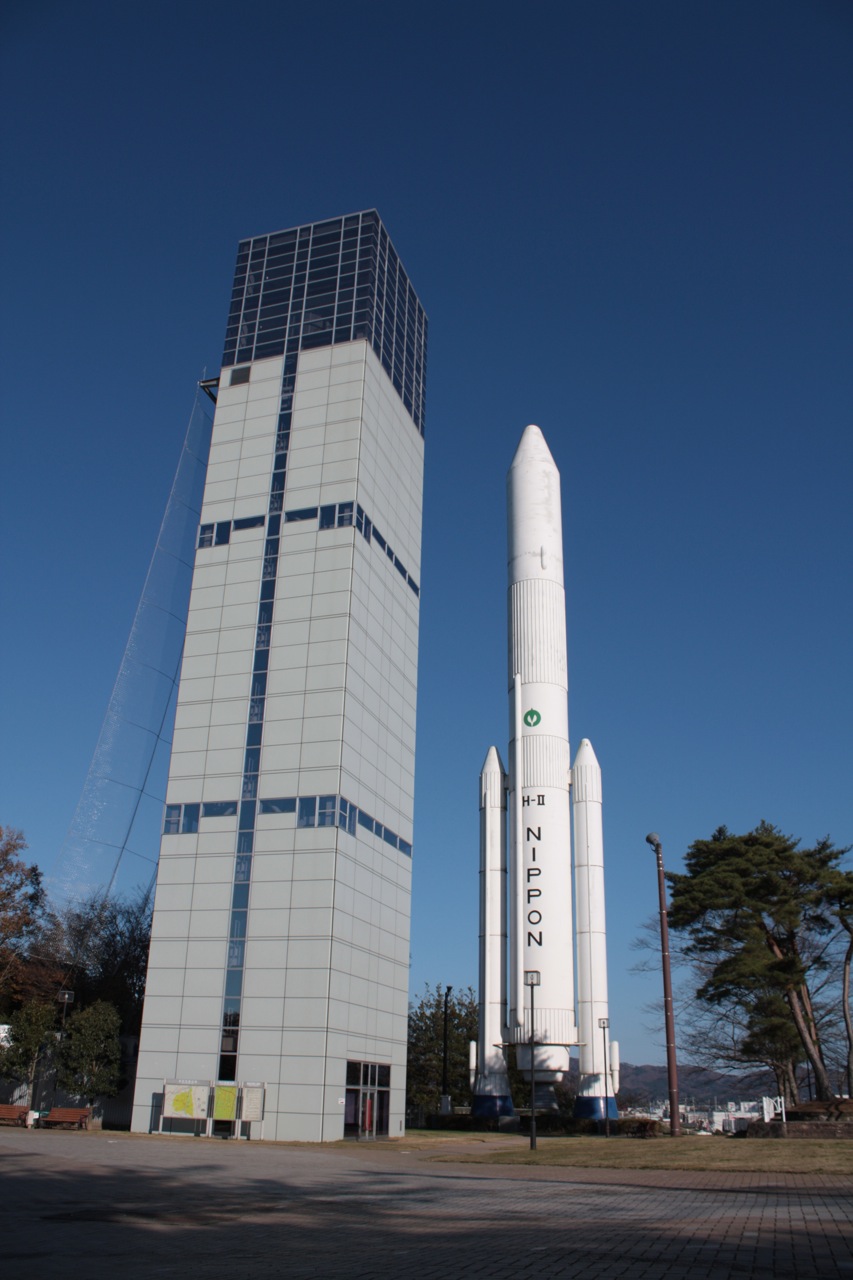 ロケット - panoramio
 角田市の台山公園 - panoramio
 スペースタワーコスモハウス - panoramio
| Type | Subtype | Date | Description | Notes | Source |
|---|---|---|---|---|---|
| class | rocket | H-IIA | H-II | Wikidata | |
| class | rocket | H-IIB | H-II | Wikidata | |
| commons | image | Tanegashima Space Center | Commons | ||
| commons | image | OREX mockup in H-II rocket fairing 02 (cropped) | Commons | ||
| commons | image | H-II F7 01 | Commons | ||
| commons | image | H-II F7 02 | Commons | ||
| commons | image | LE-7 rocket engine | Commons | ||
| commons | image | H-II rocket kakuda | Commons | ||
| commons | image | H-II rocket at the TKSC | Commons | ||
| commons | image | ロケット - panoramio | Commons | ||
| commons | image | 角田市の台山公園 - panoramio | Commons | ||
| commons | image | スペースタワーコスモハウス - panoramio | Commons | ||

.jpg)


