Nimbus program
From Spacefaring
Q609455
The Nimbus satellites were second-generation U.S. robotic spacecraft launched between 1964 and 1978 used for meteorological research and development. The spacecraft were designed to serve as stabilized, Earth-oriented platforms for the testing of advanced systems to sense and collect atmospheric science data. Seven Nimbus spacecraft have been launched into near-polar, Sun-synchronous orbits beginning with Nimbus 1 on August 28, 1964. On board the Nimbus satellites are various instrumentation for imaging, sounding, and other studies in different spectral regions. The Nimbus satellites were launched aboard Thor-Agena rockets and Delta rockets.
Wikimedia, Wikidata
National Aeronautics and Space Administration, RCA Corporation, National Oceanic and Atmospheric Administration, United States,
NASA, United States, Dong Fang Hong 2, technology demonstration spacecraft, weather satellite,
-
Location: KML, Cluster Map, Maps,
 Graphic showing difference of coverage of inclined orbit satellite versus polarorbit satellite.
 Artist's conception of NIMBUS meteorological satellite system. In: Plan for aNational Meteorological Satellite System, produced by the National Coordinating Committee for Aviation Meteorology, April 1961.
 Graphic of NIMBUS satellite in orbit.
 Difference of orbits Spac0059
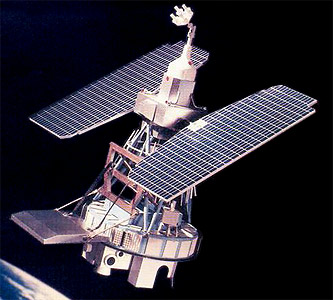 Nimbus 6
 50th anniversary NIMBUS event (GSFC-2014-15349-010)
 General design of the Nimbus series of satellitesGeneral design of the Nimbus series of satellites
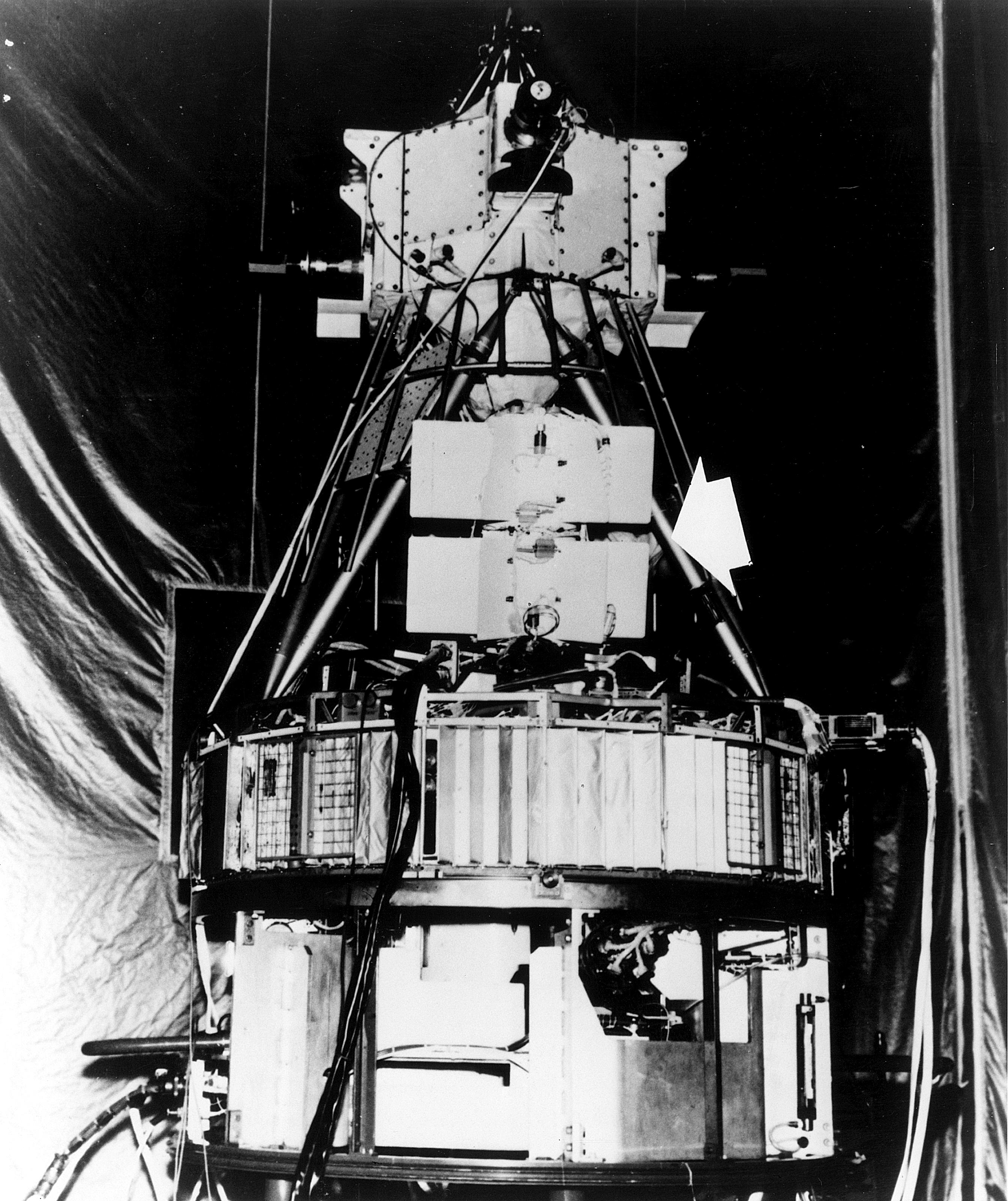 HD.6D.222 (10822740784)
 50th anniversary NIMBUS event
| Type | Subtype | Date | Description | Notes | Source |
|---|---|---|---|---|---|
| commons | image | Graphic showing difference of coverage of inclined orbit satellite versus polarorbit satellite. | Commons | ||
| commons | image | Artist's conception of NIMBUS meteorological satellite system. In: Plan for aNational Meteorological Satellite System, produced by the National Coordinating Committee for Aviation Meteorology, April 1961. | Commons | ||
| commons | image | Graphic of NIMBUS satellite in orbit. | Commons | ||
| commons | image | Difference of orbits Spac0059 | Commons | ||
| commons | image | Nimbus 6 | Commons | ||
| commons | image | 50th anniversary NIMBUS event (GSFC-2014-15349-010) | Commons | ||
| commons | image | General design of the Nimbus series of satellites | Commons | ||
| commons | image | General design of the Nimbus series of satellites | Commons | ||
| commons | image | HD.6D.222 (10822740784) | Commons | ||
| commons | image | 50th anniversary NIMBUS event | Commons | ||
.jpg)
.jpg)
.jpg)


.jpg)

.jpg)
.jpg)